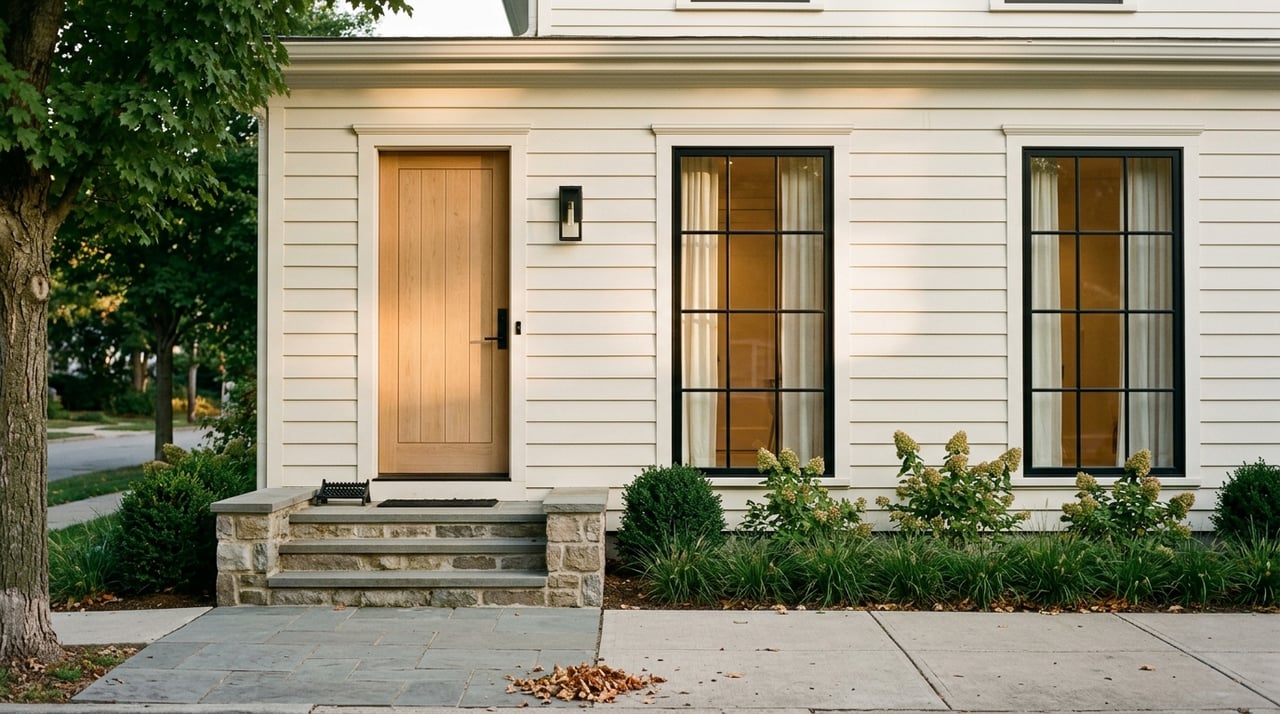
What does daily life actually feel like in Fairfield County’s historic town centers? If you are thinking about a move, a second home, or a walk-to-town lifestyle, that question matters just as much as price. The good news is that these town centers share a few clear patterns, and each one offers a slightly different version of convenience, character, and commute. Let’s take a closer look.
What historic town-center living means
Across Fairfield County, historic town centers tend to work like small walkable ecosystems. You will usually find a main street or village core, a civic anchor like a library or museum, nearby parks or shoreline access, and Metro-North service that supports both local routines and New York City commuting.
That mix is a big reason these areas stay in demand. It also helps explain why pricing in many of these historic-core markets runs above the broader county benchmark. In March 2026, Fairfield County’s median sale price was about $646,000, while several town-center markets highlighted here were well above that level.
Why these areas feel different
On paper, many of these towns offer similar basics: shops, restaurants, parks, and train access. In daily life, though, the experience can feel very different depending on how polished, compact, energetic, or village-like the center is.
A helpful shorthand is this: Greenwich feels polished and amenity-rich, New Canaan leans classic Main Street with a strong arts identity, Darien is practical and commuter-oriented, Westport feels layered and active, and Southport offers the most intimate village scale. If you are comparing towns, that lens can help you narrow what fits your routine best.
Greenwich: polished and highly walkable
Downtown Greenwich centers on Greenwich Avenue, with Greenwich Common Park adding open space right in the middle of town life. The Greenwich Library and the Bruce Museum add strong civic and cultural anchors nearby, while the local retail and restaurant mix helps keep the area active throughout the day.
The town’s outdoor dining guidelines also support the sidewalk-cafe atmosphere many buyers picture when they think about downtown Greenwich. In practical terms, this is a place where errands, meals, and casual meetups can fit naturally into your day.
Train access is a major part of the appeal. Greenwich Station sits on Metro-North’s New Haven Line and includes CTtransit and Norwalk Transit connections, which makes commuting part of the town’s rhythm rather than a separate chore.
Pricing reflects that demand. Greenwich’s overall median sale price was $2.17 million in April 2026, and the Downtown Greenwich neighborhood median was $3.5 million in March 2026. If you want a walk-to-town location here, it helps to plan for a premium.
New Canaan: classic Main Street charm
New Canaan offers one of the clearest traditional downtown experiences in the county. Its walkable business district includes shops and restaurants, and the New Canaan Library sits directly on Main Street as a central civic anchor.
The town also has a strong arts and architecture identity. The New Canaan Museum and Historical Society helps tell the story of the area, while the Carriage Barn Arts Center in Waveny Park keeps visual and performing arts visible in everyday life. Community events, including the Chamber’s Holiday Stroll, reinforce that town-center feel.
For commuters, the New Canaan Branch provides direct service connecting Grand Central, Stamford, Talmadge Hill, and New Canaan. The New Canaan station is accessible, which can make daily use simpler.
From a housing perspective, New Canaan is still a premium market, but it shows more range than some buyers expect. The town median sale price was $1.4 million in March 2026, with recent sales ranging from a $400,000 one-bedroom condo to a $4.4 million single-family home. That range can matter if you want the town-center lifestyle without targeting only one price tier.
Darien: compact and commuter-first
Darien’s downtown is often about ease. Tilley Pond Park sits near the center with walking and jogging paths, benches, and ornamental plantings, giving the area a useful everyday green space.
Convenience shows up in small but meaningful ways here. The town notes free short-term parking for shoppers downtown, which helps keep quick errands and casual stops manageable.
The arts are part of the mix too. The Darien Arts Center, located at Town Hall, offers dance, music, visual arts, and theater programming for all ages, with nearly 800 students joining classes each week.
Commuting is central to daily life in Darien. The town has two Metro-North stations, Darien and Noroton Heights, both on the New Haven Line, and the town describes Darien Train Station as a major hub to and from New York City.
Darien is also one of the county’s priciest markets. The median sale price was $3.05 million in April 2026, though recent sales show smaller in-town homes still trading around $1.33 million to $1.52 million. For buyers, that helps set realistic expectations about what compact, close-in living may cost.
Westport: active, mixed-use, and shoreline-linked
Westport stands out because its town life is spread across two business centers: Main Street Downtown and Saugatuck Center. That gives the town a more layered feel than a single main street alone.
The town highlights unique shops, more than 70 restaurant options, a weekly farmers market, parks, beaches, family events, and art shows. In everyday terms, Westport can feel especially active, with more ways to shape a weekend or even a regular weekday close to home.
Its arts-and-culture ecosystem is a major part of the appeal. The Westport Library, Levitt Pavilion, and MoCA CT all contribute to that mix, while Compo Beach adds a shoreline dimension many buyers value.
The Metro-North station is officially called Westport and is locally known as Saugatuck. The station is accessible, which supports both commuting and town access.
Westport’s median sale price was $2.10 million in April 2026, and homes were selling in about 60 days on average. For buyers who want a balance of structure, activity, and shoreline access, Westport often lands as a strong contender.
Southport: intimate village character
If you picture a smaller, more historic village setting, Southport is one of the clearest examples in Fairfield County. The scale feels more intimate, and the historic character is a central part of the appeal.
Pequot Library serves as a cultural anchor for Fairfield and Southport Village. Housed in a historic building on a Great Lawn of more than three acres, it adds both architectural presence and year-round programming to village life.
Southport Station is on Metro-North’s New Haven Line, though access is a little less seamless than at some other stations. It has ramp access only and no accessible path between platforms, which can shape how convenient daily commuting feels.
Southport’s housing market also spans more than one price band. The median sale price was $1,024,471 in April 2026, with recent sales ranging from a $580,000 condo to a $2.4 million single-family home. In the broader town of Fairfield, the median for-sale price was about $1.21 million in April 2026, which helps frame the local context.
Price matters more than town names
If you are early in your search, it helps to think in tiers rather than labels alone. Greenwich and Darien sit at the top of the price ladder, both with median sale prices above $2 million. Westport is also firmly premium, with a lifestyle mix that includes both business centers and shoreline access.
New Canaan and Southport can offer somewhat lower entry points, but walk-to-town living in either area still usually requires a meaningful budget. The broad takeaway is simple: historic town-center living in Fairfield County is often a premium lifestyle choice, even when housing options vary.
Transit and parking shape daily rhythm
In these towns, transportation is not a side note. It influences when you leave home, how easily you can run errands, and whether town life feels spontaneous or more planned.
Greenwich, Darien, Westport, Southport, and New Canaan all offer Metro-North service. Greenwich and Darien also show bus connections on their station pages, and New Canaan serves as the terminus of the New Canaan Branch.
Parking details also matter more than they may seem at first. Darien offers free short-term shopper parking downtown. Westport notes several public parking lots downtown. New Canaan Library offers free patron parking, while nearby municipal spaces are metered.
These details can shape your day-to-day experience in subtle but important ways. If you plan to walk to coffee, stop at the library, catch a train, and handle errands in one outing, town logistics can be just as important as square footage.
How to choose the right fit
The best town center for you depends on what you want your week to feel like. If you want a polished downtown with strong cultural anchors and a premium walk-to-town market, Greenwich may stand out.
If you prefer a traditional Main Street setting with arts and architectural identity, New Canaan may feel more aligned. If your priority is practical commuting and a compact downtown, Darien deserves a close look.
If you want more activity, more dining options, and a stronger shoreline component, Westport may offer the most variety. And if you want a smaller, more village-scale historic setting, Southport is often the clearest match.
A smart search starts with lifestyle patterns, then matches those patterns to inventory, pricing, commute needs, and long-term value. That is especially true in premium markets, where the right fit can make a major difference in both day-to-day enjoyment and resale flexibility.
If you are weighing Fairfield County town centers and want a clear, data-driven view of how lifestyle and pricing line up, Brenda Colon can help you compare options and plan your next move with confidence.
FAQs
What makes Fairfield County’s historic town centers appealing to buyers?
- They typically combine walkability, a main street or village core, civic anchors like libraries or museums, nearby parks or shoreline access, and Metro-North service.
Which Fairfield County town center is the most expensive?
- Based on the research provided, Downtown Greenwich had a median sale price of $3.5 million in March 2026, making it the priciest town-center submarket discussed here.
Which Fairfield County town center offers the most village-like feel?
- Southport is described as the most village-like and intimate option, with a strong historic feel and a compact center.
Is New Canaan only for luxury buyers?
- No. While New Canaan is a premium market, the research shows a wider range of recent sales, from a $400,000 one-bedroom condo to a $4.4 million single-family home.
How important is train access in Fairfield County town centers?
- Train access is a major lifestyle factor because daily routines in these towns often revolve around commuting, station access, parking, and whether errands can be done on foot.
What should buyers know about pricing in Fairfield County historic centers?
- These areas generally trade above the broader Fairfield County median, so it is helpful to set expectations early for premium pricing, especially in Greenwich, Darien, and Westport.