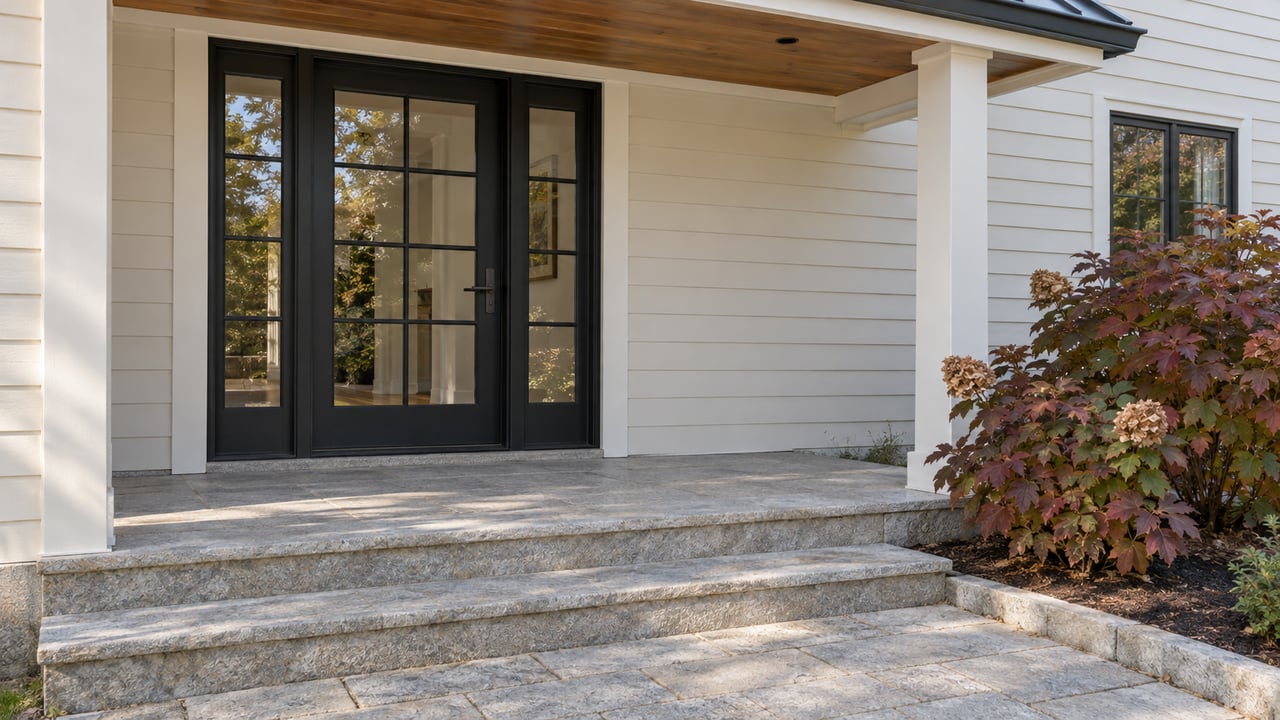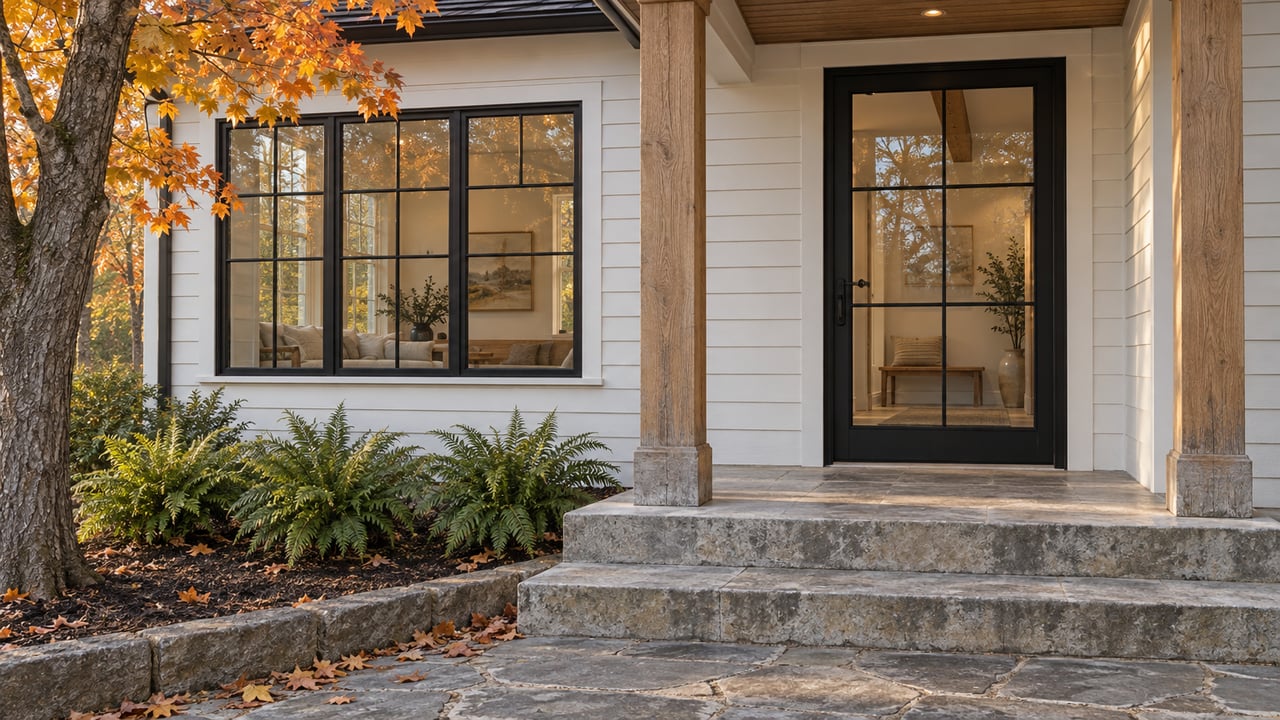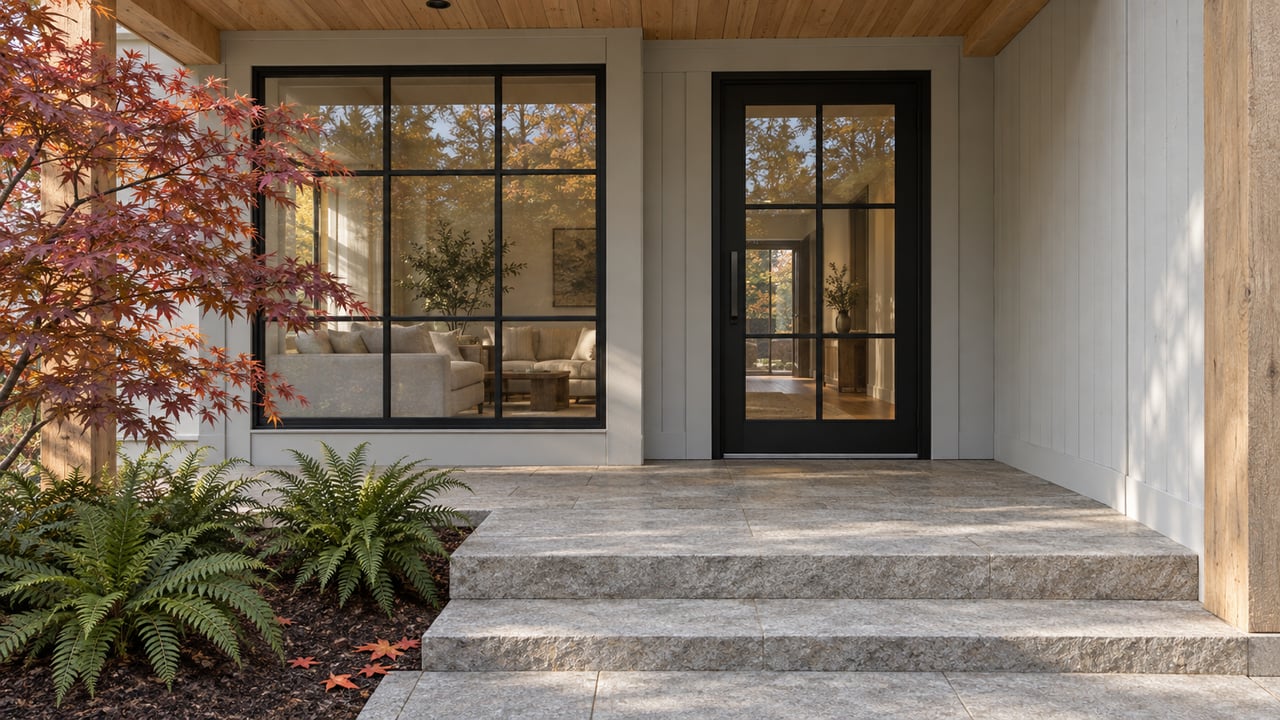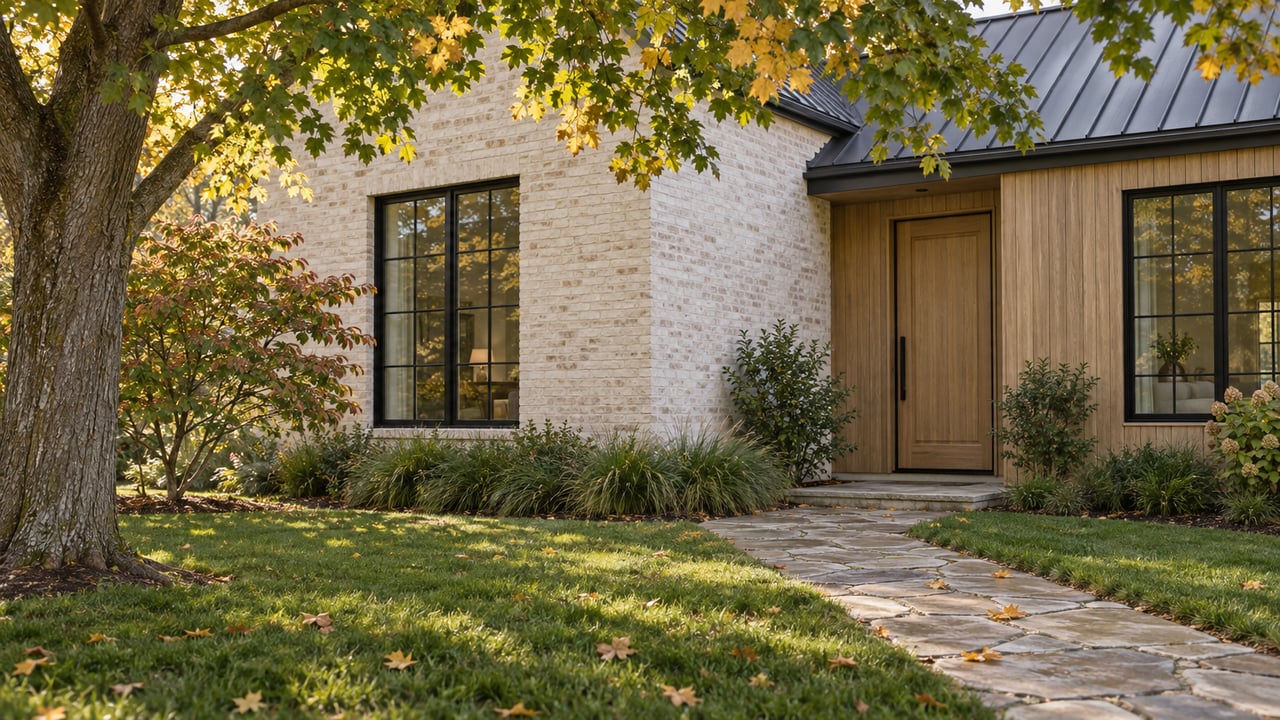
Wondering whether Fairfield County or Westchester is the better move? You are not alone. For many buyers coming from New York City or making a cross-border move, the real choice is less about one county being "better" and more about which towns match your commute, lifestyle, and total cost goals. A smart comparison can save you time, sharpen your search, and help you make a more confident decision. Let’s dive in.
Start With a Town-by-Town Lens
Fairfield County and Westchester are both closely tied to the New York City metro area, but they do not feel the same from town to town. Fairfield County is often associated with shoreline living, beach access, historic downtowns, and a more clearly coastal identity in places like Greenwich, Stamford, Norwalk, Westport, and Fairfield.
Westchester offers a broader mix within one county. County and tourism materials describe settings that range from denser cities to suburban downtowns with rail stations, Hudson River communities, Sound Shore towns, and more open northern landscapes. That wider variety can be a real advantage if you want more than one type of environment in your search.
The practical takeaway is simple. If you want a county that reads clearly as coastal and shoreline-oriented, Fairfield County often feels more straightforward. If you want more variety across one market area, Westchester may give you more options.
Compare Lifestyle Feel
Fairfield County Lifestyle
Fairfield County’s best-known towns often center around the coast. Official town and tourism descriptions highlight beaches, waterfront parks, open space, walkable downtown areas, and shoreline recreation. In towns like Fairfield, Greenwich, Norwalk, and Westport, the coastal setting is not just a bonus feature. It is part of the everyday experience.
You also see architectural variety across the area. In Greenwich, for example, historic materials point to styles that include Colonial Revival and Shingle-style homes in historic districts. That gives buyers a wider visual range, especially if you are balancing charm, renovation potential, and long-term value.
Westchester Lifestyle
Westchester feels less uniform, which can be a plus. County planning and tourism sources describe a landscape that includes dense urban areas, suburban rail-centered downtowns, rural countryside, and Hudson River settings. Rye adds a classic Sound Shore option with a beach, boardwalk, parkland, and a small-town atmosphere.
That means your experience in Westchester depends heavily on where you land. One town may feel very commuter-oriented, while another may feel more riverfront, village-like, or open and rural. If flexibility matters to you, Westchester can be appealing for that reason alone.
Think About Housing Character
Your home search will likely feel different in each county because the housing context is different. In Fairfield County, the market often presents itself through a coastal-suburban lens, especially in the southern towns along the New Haven Line. That can make it easier to narrow your search if you already know you want shoreline access, a traditional downtown, and rail convenience.
In Westchester, the county-wide housing picture is broader. Because the county includes multiple rail lines and more variation in land use, the housing stock and neighborhood feel can change quickly from one station area to the next. If you like having more styles of towns in one search area, that range may work in your favor.
Put Commute First
For many buyers, the commute should be the first filter. It is often the factor that turns a broad county comparison into a short list of realistic towns.
Fairfield County Transit
Fairfield County’s strongest commuting pattern is concentrated along the Metro-North New Haven Line. Greenwich and Stamford are both on that line, and Stamford Transportation Center is described as the second-busiest station in the Metro-North system after Grand Central. Stamford also offers eastbound New Haven Line service, local bus connections, Amtrak service, and the I-BUS Express between Stamford and White Plains.
That matters if you want a strong rail hub plus a town with a coastal identity. Stamford and Greenwich are often central to that conversation, and Norwalk is also relevant for buyers focused on train access and shoreline living.
Commute times still vary. Official tourism materials describe Norwalk as about 45 minutes from New York City by train, while Stratford is about an hour. Even within Fairfield County, that is a reminder that one county can contain several very different commute experiences.
Westchester Transit
Westchester offers more route diversity. County GIS resources show stations across the Hudson, Harlem, and New Haven lines, which creates more rail patterns for buyers to consider. Westchester also operates the Bee-Line bus system, which the county says serves more than 27 million passengers annually.
That broader transit network can be a major benefit if you want options. The tradeoff is that the experience can vary more by line, town, and station area. Westchester may win on line choice, but Fairfield can feel simpler if your search is already centered on the New Haven corridor.
Understand the Closing Cost Math
Price matters, but price alone does not tell the full story. If you are comparing Fairfield County and Westchester, one of the biggest planning differences is how New York and Connecticut structure transfer-related taxes.
Westchester and New York Costs
New York imposes a real estate transfer tax of $2 per $500 of consideration. For residences at $1 million or more, the state also applies an additional 1% mansion tax. New York also imposes a mortgage recording tax on mortgages recorded in the state, and Westchester is within the MCTD zone.
For financed purchases, especially at higher price points, that combination can materially change your all-in cost. If you are buying at or above the $1 million mark, this is not a minor detail. It is part of the decision.
Fairfield County and Connecticut Costs
Connecticut uses a deed-based conveyance tax structure. State law imposes a 0.75% state conveyance tax plus a 0.25% municipal conveyance tax, and the state rate steps up for residential estates of $800,000 or more. The first $800,000 is taxed at 0.75%, the portion above $800,000 up to $2.5 million is taxed at 1.25%, and the portion above $2.5 million is taxed at 2.25%.
Some municipalities may also impose an additional local tax of up to 0.25% if designated under state law. The filing is due when the deed is recorded.
Why Cost Modeling Matters
If you are comparing homes across state lines, the better value is not always the lower list price. The real comparison is purchase price plus taxes and financing-related costs. This is especially important for upper-middle and luxury buyers who are close to major thresholds.
A disciplined side-by-side analysis can help you avoid focusing too narrowly on headline price. It can also help you decide where to concentrate your search before you spend time touring the wrong inventory.
When Fairfield County May Fit Better
Fairfield County is often a strong fit when you want the shoreline to be part of daily life. Beaches, waterfront parks, historic downtowns, open space, and rail-oriented town centers are recurring themes in the county’s better-known towns. If your ideal move includes a true coastal-suburban feel, Fairfield usually makes that easier to target.
It can also be attractive when cost sensitivity matters at higher price points. Buyers near or above the $1 million range should pay close attention to how New York’s mansion tax and mortgage recording tax compare with Connecticut’s conveyance-tax structure. That math can influence both budget and negotiation strategy.
When Westchester May Fit Better
Westchester can be the stronger option when you want more county-wide variety in one search. You may want a Hudson River setting, a rail-served suburban downtown, a Sound Shore town, or a more open northern landscape. Westchester gives you more of those combinations within a single county.
It may also work well if your commute anchor points you toward the Harlem or Hudson lines. In that case, the county’s broader transit map may open up options that are harder to replicate in Fairfield County’s more corridor-based rail pattern.
A Practical Way to Decide
If you are trying to choose between Fairfield County and Westchester, keep the process simple. Start with the part of your day that matters most and build from there.
Use This Three-Step Filter
- Choose your commute anchor. Identify the station, line, or destination that best supports your routine.
- Choose your lifestyle lane. Decide whether you want shoreline living, a river town feel, a suburban downtown, or more open land.
- Run the full cost math. Compare price, transfer-related taxes, and financing-related costs before narrowing your search.
In many cases, the answer becomes clearer once you stop comparing county names and start comparing specific station areas. That shift usually turns a broad question into a much more practical decision.
If you are weighing this move and want a data-driven, town-specific plan, Brenda Colon can help you compare Fairfield County and Westchester with clarity, care, and the kind of cost analysis that supports a smarter decision.
FAQs
How is Fairfield County different from Westchester for daily lifestyle?
- Fairfield County is often more clearly coastal in feel, while Westchester offers a wider mix of river towns, suburban downtowns, denser cities, Sound Shore areas, and more open northern landscapes.
Which county has better train options for commuting to New York City?
- Fairfield County is strongly tied to the Metro-North New Haven Line, while Westchester offers stations across the Hudson, Harlem, and New Haven lines, giving you more route variety depending on the town.
What makes Stamford important in a Fairfield County home search?
- Stamford Transportation Center is a major rail hub on the New Haven Line and also offers bus, Amtrak, and White Plains I-BUS connections, which makes it a key anchor for many commuters.
Why do closing costs matter in a Fairfield County versus Westchester move?
- New York and Connecticut use different transfer-related tax structures, and a Westchester purchase may also involve New York’s mansion tax and mortgage recording tax, which can significantly affect total cost.
Is Fairfield County usually better for buyers who want shoreline living?
- Fairfield County is often a strong fit for buyers who want beaches, waterfront parks, and coastal town centers to be part of daily life rather than an occasional destination.
Is Westchester usually better for buyers who want more town variety?
- Westchester can be a better fit if you want more choice across different settings, including Hudson River communities, suburban downtowns, Sound Shore towns, and more open northern areas.
How should you start comparing Fairfield County and Westchester homes?
- Start by narrowing your search around a commute anchor, then compare lifestyle fit and total transaction costs town by town.