Salt air, sandy mornings, and a quick hop to Manhattan. If that mix sounds like your sweet spot, the Fairfield County coast may be exactly what you are looking for. You want easy beach access, a real boating scene, and a commute that works on busy weekdays. In this guide, you will get a clear picture of daily life along the Sound, from beaches and marinas to costs, taxes, and flood risk. Let’s dive in.
Coastal map and commute basics
The Metro-North New Haven Line runs right along the shoreline with stops through Greenwich, Stamford, Darien, Norwalk, Westport, Fairfield, and Bridgeport. Recent schedule upgrades have improved some express options to Grand Central, which many residents rely on for a predictable weekday rhythm. You will still find I-95 traffic highly variable, especially at peak times, so rail is a key lifestyle advantage for many buyers. You can review current service changes and options in the Metro-North updates.
Beaches and parks you will use
Shoreline access is the headline. Westport’s Sherwood Island State Park, the state’s first state park, offers broad beaches, trails, and a nature center with Sound views. It is an easy place to spend a full day or catch a quiet sunset. Learn more about the park’s layout and amenities through Sherwood Island State Park resources.
Municipal beaches such as Jennings and Penfield in Fairfield, Compo in Westport, and Calf Pasture in Norwalk are summer staples. Many towns require seasonal parking or beach stickers and run lifeguard hours in peak months. After heavy rains, water-quality advisories can lead to temporary swim closures, so it pays to check town updates before you go.
Boating and marinas
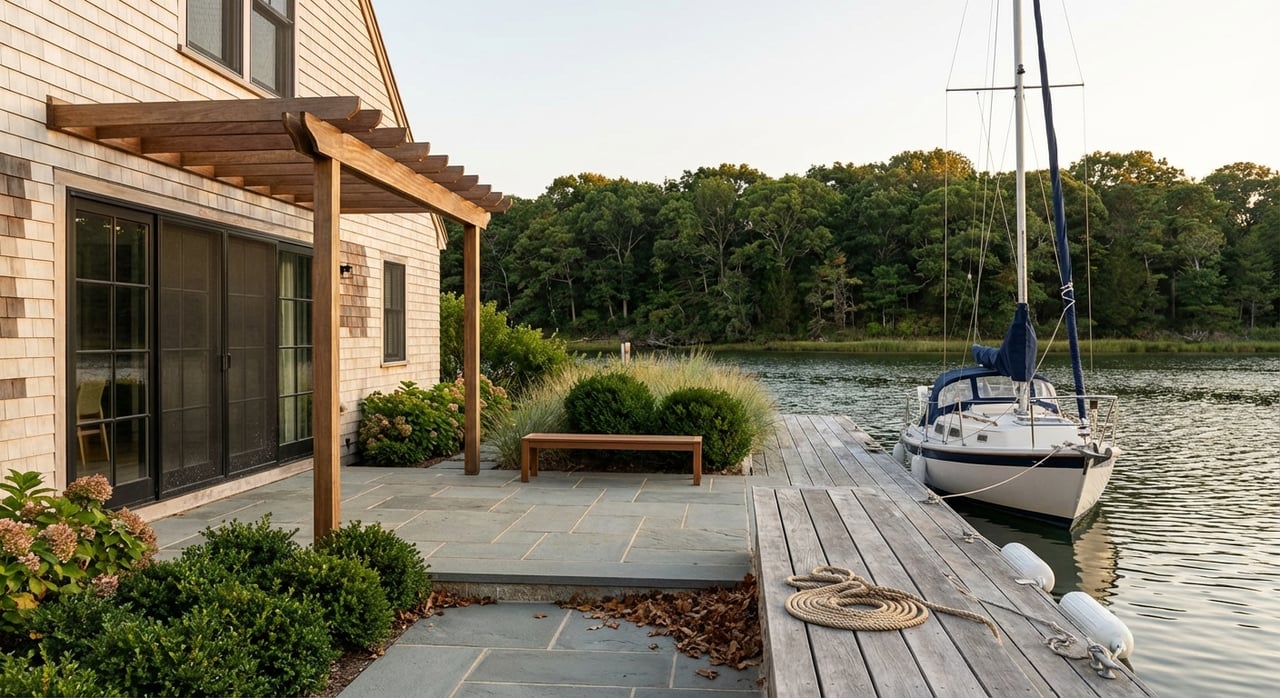
If you love the water, the local boating culture is a big draw. Norwalk Cove Marina is one of the region’s largest, with hundreds of slips and a full-service yard for seasonal maintenance. It is also home base for the in-water boat show many locals look forward to each year. Get a feel for the facility via Norwalk Cove Marina’s profile. You will also find active yacht clubs and mooring fields in Stamford, Westport, Old Greenwich, Rowayton, and Saugatuck that shape social life for boaters.
Waterfront dining and culture
From white-tablecloth waterfront rooms to casual dock-and-dine spots, you will have plenty of places to enjoy the view. For year-round family outings and school breaks, the Maritime Aquarium in Norwalk is a reliable favorite with exhibits and seasonal programming. Explore current programs at the Maritime Aquarium at Norwalk. In late summer and early fall, the calendar fills with events like the Norwalk Oyster Festival, which brings big crowds and weekend energy along the Sound.
Seasonality on the Sound
Life here follows the water. Late spring through early fall is peak season for beaches, festivals, and boating. Traffic and parking tighten up on sunny weekends, especially near beach entrances and event sites. Winter is calmer and quieter, with the occasional wildlife cruise and more space to enjoy coastal trails.
Housing market and coastal premiums
County-level data in recent reporting shows a median sale price in the mid 600 thousands. That shifts sharply upward as you get closer to the water in towns like Greenwich, Darien, and Westport, where many neighborhoods trade in the multi million range and entry-level homes often start well above 1 million. High-end sales continue to transact at the top of the market in select coastal pockets. For planning, that means a real inland-to-coast price gradient and higher carry costs on the shoreline.
Property taxes vary by town
Connecticut sets property taxes at the municipal level using a mill rate multiplied by assessed value. Two things shape your bill: the mill rate and the town’s assessed values. Coastal towns with moderate mill rates but higher market values can still produce large annual tax bills. Rates and assessments change over time, so verify current numbers with the town assessor before you buy.
Flood risk and insurance
Coastal living comes with water risk that you should price in early. The state’s planning guidance advises using about 0.5 meters, or roughly 20 inches, of sea-level rise by 2050 when thinking about mid-century conditions on Long Island Sound. Towns use this guidance for land use and hazard planning. You can review the state’s overview on the CT DEEP sea-level rise page.
On insurance, FEMA’s Risk Rating 2.0 moved National Flood Insurance Program pricing to a property-specific model. Many Connecticut policyholders saw their premiums change under the new system. Before you commit, get quotes for the exact address and elevation, and talk with your insurer about both NFIP and private options. You can find state updates on FEMA’s Connecticut page.
Maintenance realities near salt air
Salt air speeds up wear. Metal fixtures, deck hardware, exterior paint, and HVAC condenser coils often need more frequent service near the Sound. Smart steps include using marine-grade stainless or galvanized fasteners, rinsing exteriors after storms, and scheduling regular HVAC cleanings to prevent corrosion. A helpful primer on corrosion prevention is available from This Old House.
Is coastal life right for you
Here is the simple tradeoff. You pay more to live steps from beaches and marinas, and you should expect higher insurance and maintenance. In return, you get a daily lifestyle that centers on the water, faster access to a robust rail line, and an active calendar of festivals and cultural anchors. Several coastal districts also rank highly in recent statewide coverage, which is a factor many buyers weigh when choosing a town.
A practical buyer checklist
Use this as a starting point before you write an offer on the coast:
- Commute test. Ride the local train during the hours you expect to travel. Confirm express versus local options using the Metro-North updates.
- Flood and elevation. Review FEMA flood maps, ask for an elevation certificate, and get property-specific flood quotes. Check the latest Risk Rating 2.0 impacts on the FEMA Connecticut page.
- Condition and materials. Have your inspector focus on salt-exposed systems: roof, railing and deck fasteners, HVAC coils, bulkheads or docks, and any signs of past flooding.
- Beach and marina rules. Confirm beach sticker and parking policies, plus marina guest slips or yacht club waitlists. Towns update beach operations each season, and rules are enforced.
- Schools and lifestyle fit. Verify school assignments with the district and preview how you will use local amenities like the Maritime Aquarium and seasonal festivals. Recent statewide reporting highlights several coastal districts among top-ranked options.
Bottom line and next steps
If you want the coastal lifestyle with a workable NYC commute, Fairfield County’s shoreline delivers. The key is to balance sun-and-sand living with clear-eyed planning on taxes, insurance, and maintenance. When you model those costs alongside your daily routine, the right neighborhood choice becomes obvious.
Ready to compare towns, run carry-cost scenarios, and preview on-market and private options? Book a complimentary market consultation with Brenda Colon.
FAQs
How does the NYC commute work from the Fairfield County coast
- The Metro-North New Haven Line serves most shoreline towns with express and local trains to Grand Central; review current options in the Metro-North updates.
What should I know about beach parking and seasonal rules
- Many towns require seasonal stickers and enforce rules on hours and parking; check current local guidance, such as Fairfield’s recent updates on beach sticker and parking rules.
How does sea-level rise factor into buying a coastal home in Fairfield County
- Connecticut planning guidance advises using about 0.5 meters of sea-level rise by 2050 on Long Island Sound; read more on the CT DEEP sea-level rise page and incorporate elevation and mitigation into your due diligence.
What is changing with flood insurance under FEMA’s Risk Rating 2.0
- Pricing is now property-specific, and many coastal owners have seen premium changes; get address-level quotes and review FEMA’s Connecticut page for program updates.
What extra home maintenance should I budget for near the Sound
- Plan for more frequent exterior paint touch-ups, corrosion checks on railings and deck hardware, and regular HVAC coil cleaning; see a corrosion prevention primer from This Old House.