Thinking about selling in Fairfield County and want top-dollar without turning your life upside down? You are not alone. With inventory still tight and prices varying by town, how you prep, price, and present your home can move the needle on your final net. In this guide, you will get a practical, low-disruption plan tailored to Fairfield County, including timing, high-ROI updates, staging, funding options, and a simple way to estimate your net proceeds. Let’s dive in.
What top-dollar means in Fairfield County
Top-dollar is not just your sale price. It is your sale price minus selling expenses, improvement costs, and loan payoffs. As of Dec 2025, Fairfield County showed a resilient, limited-inventory market with median prices in the mid-to-high six figures and days on market measured in weeks. Results vary widely by town and price tier. Higher-end areas like Greenwich, Westport, and New Canaan often see stronger luxury demand than lower price bands. Your strategy should reflect your specific micro-market and comps.
Timing and seasonality
Multi-year studies show that late April through June is often the most competitive window, with buyer activity and price premiums peaking in spring. Local calendars, inventory, and school-year timing can shift that window by town. If you are targeting a spring launch, work backward by 4 to 8 weeks to allow for light updates, staging, and marketing assets. Confirm your best go-to-market month with your agent based on current comps and active inventory.
A step-by-step pre-listing plan
- Define the target buyer and price band with town-level comps.
- Get a pre-listing inspection and clarify disclosure requirements.
- Prioritize quick, high-ROI updates and repairs.
- Stage for photos, then schedule professional photo, video, and a virtual tour.
- Choose your launch path: Private Exclusive, Coming Soon, then MLS live.
Do a pre-listing inspection
A pre-listing inspection helps you find issues early so you can fix them on your schedule or disclose them and avoid last-minute renegotiation. Sellers who address material items up front tend to move faster through inspection and closing. For an overview of benefits, review this guide to a seller inspection from an inspection firm’s perspective in this pre-listing inspection overview.
Know your disclosure duties
- Connecticut requires sellers to deliver the state Residential Property Condition Disclosure before a buyer signs a binding contract. Review the statute and consult your attorney for timing and form requirements in the Connecticut disclosure law.
- If you own in New York or you are selling near the state line, New York amended its Property Condition Disclosure Act effective March 20, 2024. The change removed the old $500 credit in lieu of the form and added flood-related questions. Learn more in the NYSBA summary of the PCDA amendments.
Prioritize updates with ROI
When budgets are tight, focus on projects that consistently recoup value in the 2025 Cost vs Value data. According to industry summaries, minor or midrange kitchen updates and midrange bath refreshes are often among the strongest interior performers, while curb-appeal items like a new entry or garage door can deliver outsized perceived value. See the latest regional ROI patterns in the 2025 Cost vs Value report.
Typical cost ranges vary by town and scope. A minor or midrange kitchen refresh can run roughly the low-to-mid five figures based on scope and finishes. For a sense of ballpark pricing inputs, review this 2025 breakdown of kitchen remodel costs in the 2025 kitchen cost guide. Get 2 to 3 written bids for larger items.
What to skip before listing: avoid over-improving beyond neighborhood comps. If a full gut is the only way to hit your price tier, that is a separate strategy with a longer timeline. Most sellers do best with light kitchens, paint, floors, lighting, hardware, and landscaping.
Permits: many electrical, plumbing, mechanical, and structural changes require permits and inspections in CT municipalities. Check requirements with your local building department and confirm who will pull permits. Here is a practical example for electrical permits in Fairfield in this guide on how to pull an electrical permit in Fairfield, CT.
Presentation that sells
Staging, photography, and virtual tours shape first impressions and drive online engagement. The National Association of REALTORS reports that many buyer agents say staging helps buyers visualize the property, and listing agents often see a measurable impact on buyer interest. You can scan the research in the 2023 Profile of Home Staging.
Staging checklist
- Declutter and deep clean. Clear counters, edit decor, remove excess furniture and personal photos.
- Neutral touch-ups. Fresh neutral paint, modern hardware, consistent light bulbs, fix squeaks and sticky doors.
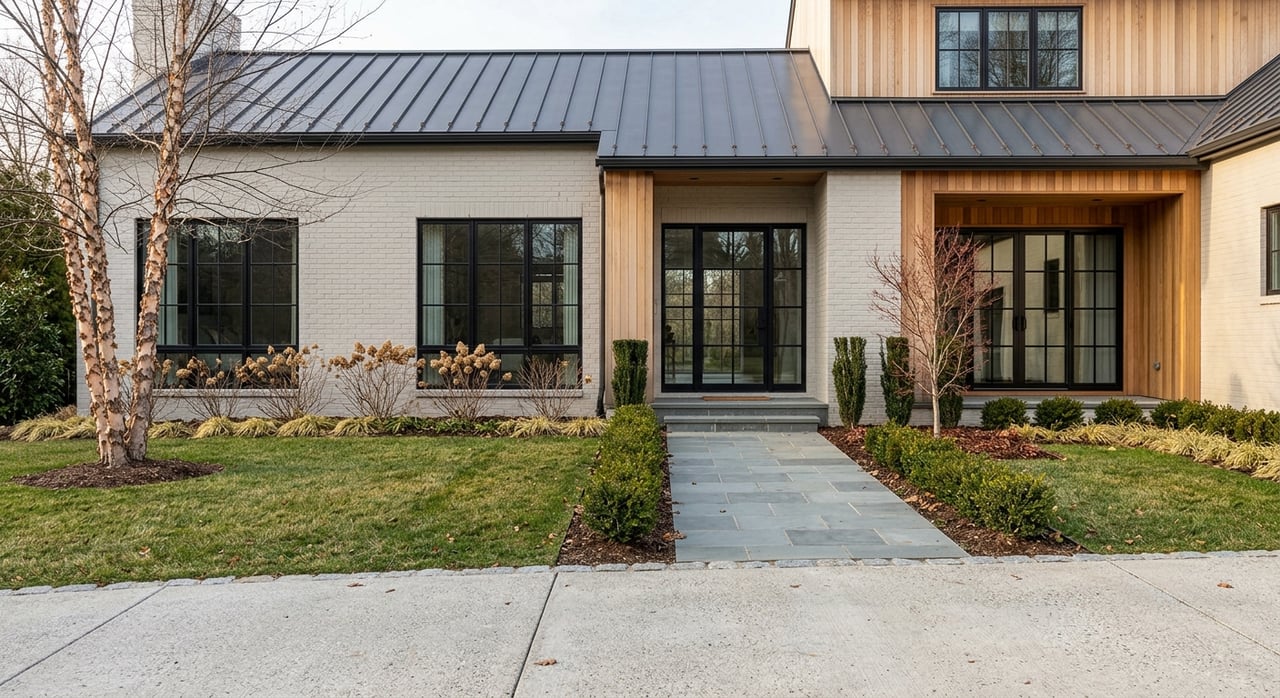
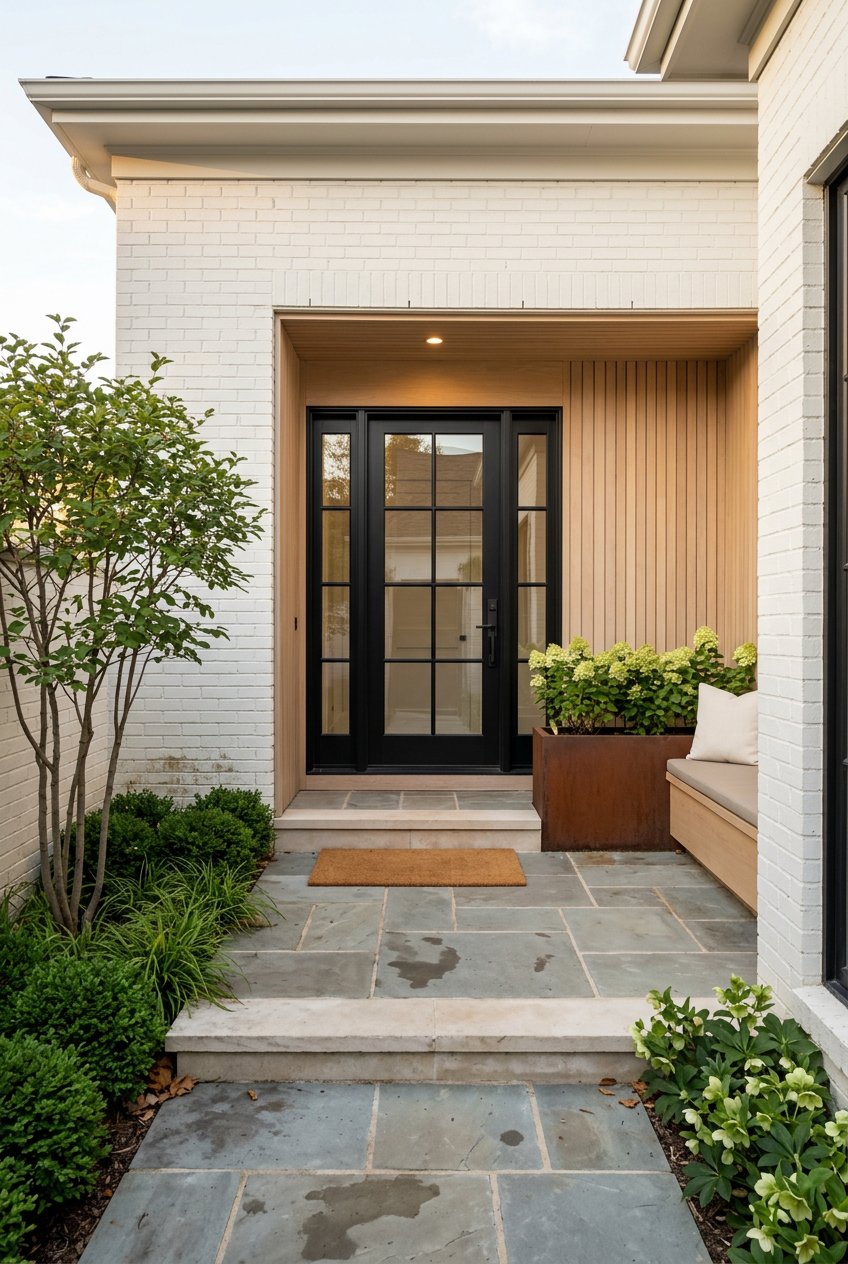
- Elevate curb appeal. Trim landscaping, power-wash, add potted plants, refresh the front door. Entrance and garage-door upgrades often rank high on ROI in the Cost vs Value data.
- Define spaces. Show how each room functions. Add scale with rugs and lighting.
Photography and virtual tours
Book a real estate photographer and add a 3D or video tour. Drone exteriors can add context for acreage or water views if compliant with local rules. Schedule photos right after staging so the imagery mirrors showing condition. Buyers consistently rank photos and videos among the most important listing elements in the NAR staging study.
Staging logistics and cost
Agent-managed touch-ups and partial staging often come in at a modest share of list price, with full-home vacant staging costing more. The key is to target the rooms that photograph and show best. For benchmarks and adoption rates, see the NAR staging research.
Funding and coordinating improvements
If you want to move fast without large upfront outlays, consider Compass Concierge. The program can advance the cost of eligible pre-listing work like staging, painting, flooring, landscaping, and repairs. No payment is due until settlement, listing termination, or 12 months, per your agreement. In some markets, capital is provided through a financing partner, and terms vary by state. Get details and confirm local terms in the official Compass Concierge overview.
How your advisor typically runs the process:
- Walk-through and ROI plan. Align on scope, budget, and the rooms that will move photos and showings.
- Bids and vendors. Get 2 to 3 quotes for larger items. For small cosmetic work, a trusted network speeds delivery.
- Concierge engagement. Your agent submits scope and budget. Once approved, work starts quickly with clear payment terms. See the Compass Concierge page for covered services and triggers.
- Staging and assets. Stage and shoot the week work finishes so everything matches.
- Launch. Consider Private Exclusive or Coming Soon, then go live on MLS at the market-optimal date.
Realistic timelines
- Pre-listing inspection and small repairs: 1 to 3 weeks, depending on schedules.
- Cosmetic updates and staging: about 1 to 2 weeks from start to photos if the scope is tight.
- Minor kitchen or bath refresh: roughly 3 to 8 weeks based on materials and lead times.
- Full remodels: often months, which can push you past prime selling windows. See typical ranges in this project timing overview.
Your net number: a simple way to estimate
Build your own quick estimate so you can compare scenarios.
- Start with a realistic sale price based on town-level comps.
- Subtract a combined agent commission. Industry commentary often cites a 5 to 6 percent range nationally as a planning input. Confirm your actual agreement.
- Subtract other seller costs. Typical line items include attorney or settlement fees, transfer and recording fees, prorated taxes and utilities, title items where customary, and any agreed credits.
- Subtract improvement and staging costs. If you use Concierge, include the repayment amount.
- Subtract your mortgage payoff and any liens.
Example only: Sale price 700,000. Less 5.5 percent commission 38,500. Less 1.5 percent for other seller costs 10,500. Less 10,000 in updates and staging. Less 200,000 loan payoff. Estimated net before tax about 441,000. Use your exact figures for accuracy.
Quick 4-week prep timeline
- Week -4 to -2: Market analysis and pricing strategy at the town level. Define your buyer.
- Week -3 to -1: Pre-listing inspection, decide what to fix vs disclose, line up vendors.
- Week -3 to 0: Engage Compass Concierge if useful, confirm permits, schedule trades and staging.
- Week 0: Finish work, install staging, capture professional photos, video, and virtual tour. Prep listing materials and launch sequence.
Permits, vendors, and compliance checklist
- Verify contractor licensing and insurance. Get written scopes, milestones, and warranties.
- Confirm who pulls permits and schedules inspections. Many MEP or structural items require permits in CT. For context, see this example of electrical permit steps in Fairfield.
- Keep receipts and lien waivers for title.
- If using Concierge, review the loan agreement carefully so you understand eligibility, covered services, and repayment triggers.
Ready to talk strategy?
If you want a data-smart, low-disruption sale with polished marketing and hands-on coordination across CT and NY, let’s map your plan. Book a complimentary market consultation with Brenda Colon.
FAQs
What is the best month to list a Fairfield County home?
- Spring often delivers stronger buyer activity, with late April through June a common peak, but your optimal month depends on your town’s inventory and comps.
Is a pre-listing inspection worth it for CT sellers?
- Yes, it helps you find and address issues on your schedule, reduce renegotiations, and speed closing, as outlined in this pre-listing inspection overview.
Which fixes add the most value before selling in Fairfield County?
- Minor or midrange kitchen and bath updates plus curb-appeal items like entry or garage doors often rank well for ROI in the 2025 Cost vs Value report.
How does Compass Concierge help me sell?
- It can advance the cost of eligible pre-listing work with no upfront payment, repaid at sale, listing termination, or 12 months per your market’s terms in the Compass Concierge overview.
What disclosures do I need in CT and NY?
- CT requires the state Residential Property Condition Disclosure before a binding contract, and NY’s PCDA was updated on March 20, 2024 with new flood questions, per the CT law and NYSBA summary.
How long does it take to prep and list a home?
- Light cosmetic updates and staging can be done in 1 to 2 weeks, a minor kitchen or bath refresh can take 3 to 8 weeks, and full remodels often run months.
Do I need permits for quick pre-sale updates?
- Many electrical, plumbing, mechanical, and structural projects require permits and inspections in CT, so confirm with your town’s building department in advance.
How do I estimate my net proceeds from a sale?
- Start with sale price, then subtract commissions, other seller costs, improvement expenses or Concierge repayment, and your mortgage payoff for an estimated net before taxes.