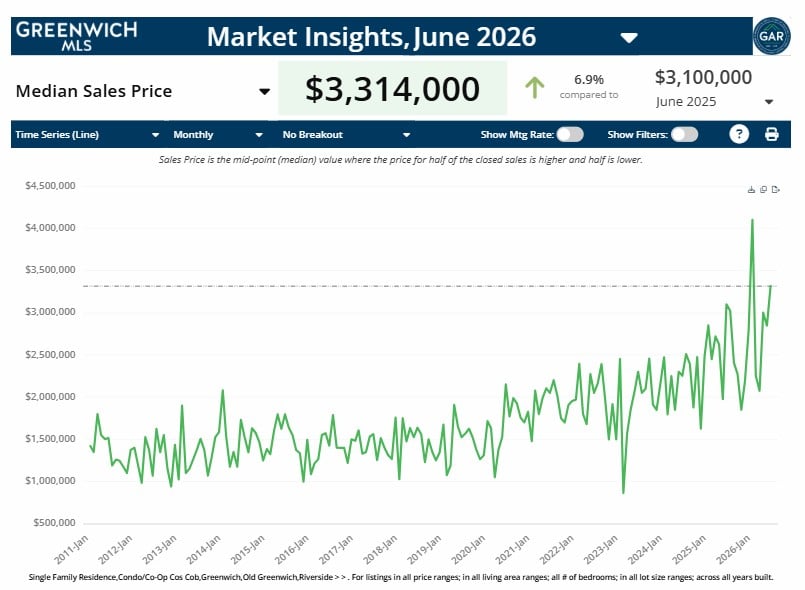
Are you trying to time your next move in Fairfield County? You are not alone. The local market follows a clear seasonal rhythm that affects how fast homes sell, how many buyers are out, and how much negotiation power you have. In this guide, you will learn what to expect by season, how recent trends may shift the cycle, and a simple month-by-month plan to put you a step ahead. Let’s dive in.
The Fairfield County cycle at a glance
Fairfield County generally follows the broader U.S. housing pattern. Activity builds in late winter, peaks in late spring and early summer, then cools through fall and winter. This cycle is supported by national research on seasonality from the National Association of Realtors and local MLS reporting.
Listings and inventory. New listings usually rise in March through May, with inventory often topping out in late spring or early summer. Sellers who prepare in late winter tend to catch the most buyer traffic.
Buyer demand and closings. Showings and contract activity climb with spring listings and often peak a few weeks later. Closing volume concentrates from late spring into midsummer.
Days on market and pricing. DOM typically shortens in spring and early summer, when demand is strongest. In winter, fewer active buyers often mean a longer marketing window and more room for negotiation.
Local nuances that shape timing
Fairfield County’s strong commuter ties to New York City create a distinct rhythm. Many buyers aim for spring and early summer closings to align with job moves and academic calendars. You will also see more weekday showings than in non‑commuter areas.
Town and price points matter. Higher-priced towns often show steadier demand year-round, while entry and mid-price segments tend to have more pronounced spring surges. Waterfront and second-home properties typically see stronger activity heading into late spring and summer.
Price tiers behave differently. Lower-price homes usually move fastest in spring. Luxury activity is more even throughout the year, with spring still offering a lift but less of a spike.
What can change the cycle
Mortgage rates. Rate shifts can amplify or dampen spring demand regardless of the calendar. Tracking the weekly rate trend from Freddie Mac’s PMMS can help you fine-tune timing.
Inventory levels. When supply is tight, DOM can stay short even in off-peak months. Local monthly data from SmartMLS helps you compare today’s inventory to typical seasonal patterns.
Life events and logistics. School calendars, corporate relocations, and weather can all shift timing. After 2020, some buyers and sellers became more open to off-season moves, which softened the usual calendar effects in a few segments.
Month-by-month playbook
Use this as a planning template and adjust based on your target move date.
-
12 months out
- Sellers: Assess improvements and budget. Meet an agent to outline a prep plan.
- Buyers: Organize finances, research neighborhoods, and watch rate trends.
-
9–10 months out
- Sellers: Schedule inspections and major repairs. If aiming for spring, plan media and marketing prep for late winter.
- Buyers: Refresh preapproval options and visit target towns on weekends to see seasonal differences.
-
6 months out
- Sellers: Complete major work so the home is market-ready by late winter. Consider professional staging to show at its best.
- Buyers: Lock in a strong preapproval and set alerts. Be ready to tour quickly in March through June.
-
3 months out
- Sellers: Finalize staging, photography, and launch timing. March through May is the prime window to capture buyer traffic.
- Buyers: Increase showing cadence and prepare for faster negotiations and shorter timelines.
-
Peak months: May–July
- Sellers: Expect faster DOM and stronger prices in many segments. Multiple offers are more likely on well-prepared listings.
- Buyers: Competition is highest. Strong terms, clean contingencies, and quick decisions can improve your odds.
-
Secondary window: September–October
- Sellers: Reach buyers who missed spring or are relocating in fall. Competition is a bit softer than peak.
- Buyers: You may see less bidding pressure and more room to negotiate than in spring.
-
Off-peak: November–February
- Sellers: Showings slow, but winter buyers are often serious. Be ready for longer DOM and thoughtful staging and lighting.
- Buyers: Fewer competing offers can open up pricing or concession opportunities.
Seller strategy by season
If your goal is to maximize price, listing in late winter through spring often aligns with the strongest buyer demand. Many Fairfield County sellers aim to go live in March through May. In winter, you can still achieve strong outcomes with the right preparation. Expect more negotiation and plan for carefully lit, warm showings. If you need help coordinating upgrades or staging, a concierge-style approach can make your home show at its best without slowing your timeline.
DOM varies by season and price tier. In many towns, spring DOM is measured in weeks for active submarkets. In winter, DOM can run 30 to 50 percent longer, so plan your timing and pricing strategy accordingly.
Buyer strategy by season
Spring and early summer bring the most choice, but also the most competition. Arrive with a current preapproval, clear walk-away points, and a plan for strong initial terms. If you prefer more negotiation room and a calmer search, fall and winter can work well, especially if you are flexible on exact location or features.
If you are timing a buy and sell together, consider bridge options, temporary housing, or a rent-back to smooth the gap. The right sequence depends on your risk tolerance, financing, and your home’s likely DOM by season.
How I help you time it right
You deserve a plan built on current local data and your goals. I combine real-time MLS reports, clear pricing models, and hands-on prep to put you in the best position for your target season. For sellers, I coordinate staging and improvement plans designed to maximize market response. For buyers and relocators, I map timing to commute needs, school calendars, and rate scenarios so you can move with confidence.
Ready to align your move with the Fairfield County cycle? Reach out to Brenda Colon for a complimentary market consultation.
FAQs
When is the best time to list in Fairfield County?
- For most sellers, late winter through spring is the best window to capture peak buyer traffic and faster DOM, with many listings targeting March through May.
Can you still get a good price selling in winter?
- Yes. Winter buyers are often serious and competition is lighter. Expect a longer marketing window and plan for strong staging, lighting, and pricing.
How much do mortgage rates affect the seasonal pattern?
- Rates can amplify or mute the spring surge. Track weekly movements through Freddie Mac’s PMMS and adjust timing and price strategy accordingly.
Do luxury homes follow the same seasonal curve?
- Luxury activity is more evenly spread throughout the year, though spring typically provides a lift. Negotiation flexibility can be greater off-peak.
What DOM should I expect in spring vs. winter?
- Spring DOM is often at its shortest in active segments. In winter, plan for roughly 30 to 50 percent longer DOM, depending on town and price tier.
How should I time a buy-and-sell move locally?
- Pair a realistic sale timeline with your purchase needs. Consider rent-backs, bridge options, or temporary housing to prevent a rushed decision in either direction.